









Shop by Category
The Transformative Power of Feminine Attire.
The act of choosing and wearing attire traditionally associated with women is far more than a simple change of garments; it is a profound journey of self-discovery, expression, and liberation. This exploration into the realm of feminine styling offers a unique lens through which to examine societal norms, challenge personal boundaries, and connect with a deeply rooted sense of aesthetic appreciation.
For many, the initial step into this world begins with a quiet curiosity, a subtle pull toward the textures, silhouettes, and colors that define this category of clothing. It might start with a soft scarf, a delicate piece of jewelry, or a garment with an appealing drape. This initial foray often transforms into a dedicated embrace of a new style vocabulary. Skirts and dresses, with their inherent movement and grace, offer a distinct sensation unlike the rigid structure of typical male garments. The sway of the fabric, the visual line it creates, and the feeling against the skin contribute to an experience that is physically and emotionally resonant.
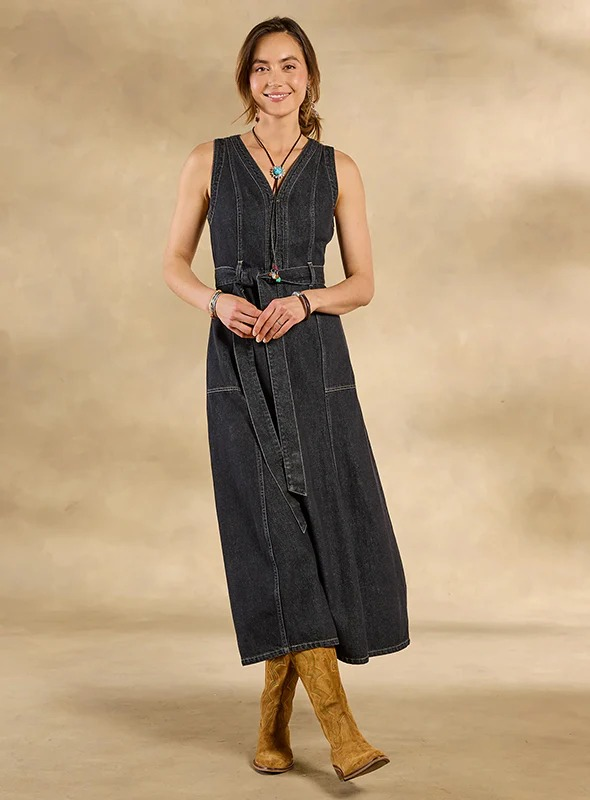
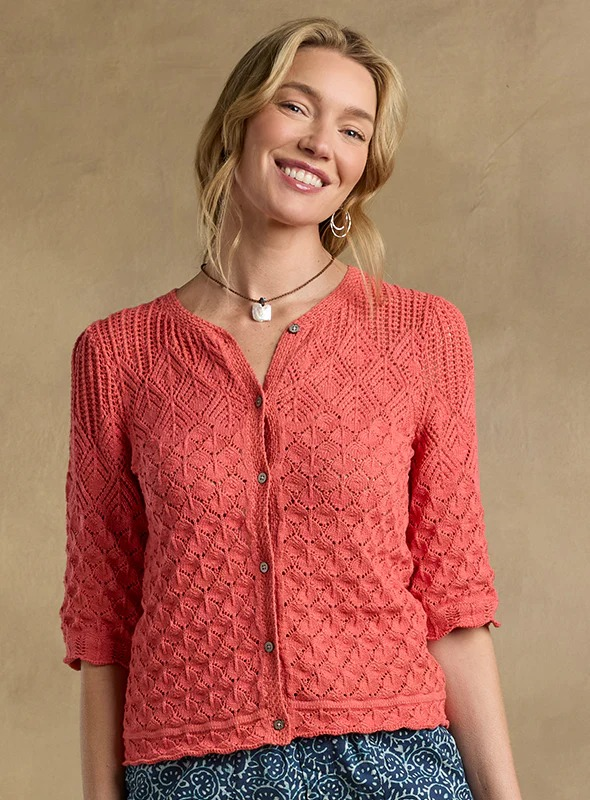
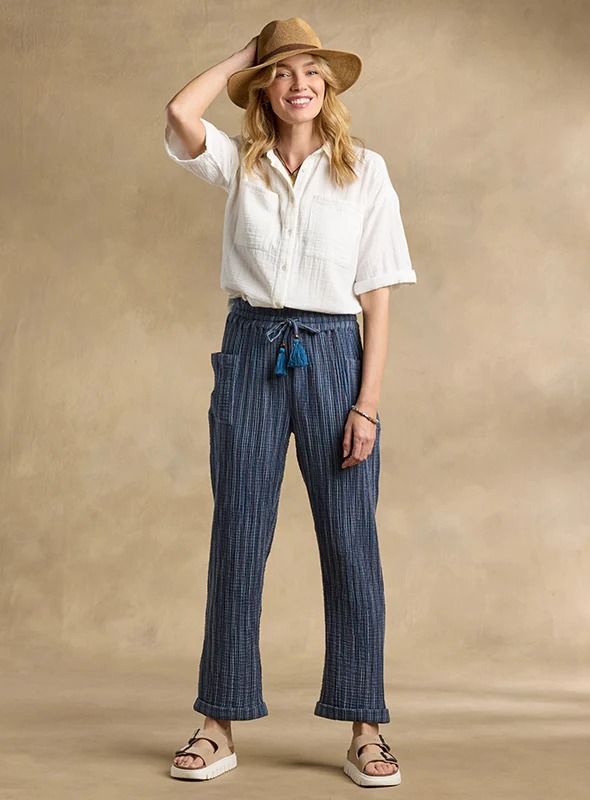
The aesthetic elements of this attire are meticulously crafted to celebrate form and elegance. Consider the diversity of design: a tailored, vibrant suit, a flowing, pastel maxi garment, or a figure-hugging, dark velvet piece. Each choice communicates a different facet of the wearer’s personality and mood. The attention to detail—the placement of a fastener, the embroidery on a cuff, or the selection of a sheer material—elevates the ensemble from mere covering to a form of wearable art. This level of intentionality in dressing becomes a daily ritual of self-affirmation.
Beyond the fabric and form, there is a significant psychological component to this personal presentation. Adopting attire that carries different cultural and historical weight can dramatically shift one’s posture and demeanor. The wearer may find themselves moving with a newfound confidence, a more considered gait, and a brighter self-awareness. This shift is not just performative; it is often a genuine expression of an internal state previously unacknowledged. It allows for the integration of facets of identity that were perhaps suppressed by conventional expectations of masculine appearance. The freedom to select from a full spectrum of color and style—from bold, dramatic hues to muted, ethereal shades—unlocks a comprehensive range of emotional expression.
Furthermore, this engagement with feminine fashion fosters a deeper appreciation for the artistry and effort involved in garment creation. Learning about different fabrics—silk, lace, tulle, wool—and their properties, understanding the structure of a well-made corset or the precise cut of a pencil skirt, and recognizing the historical context of various styles enriches the entire experience. It turns shopping and selecting an outfit into a curatorial process, where each item is chosen not just for its immediate appeal but for its quality and its potential role in a broader visual narrative.
The community surrounding this pursuit is also a vital source of support and inspiration. Conversations among enthusiasts often revolve around fit, proportion, makeup application, and styling techniques. These shared experiences create a bond based on mutual respect for personal expression and an understanding of the courage it takes to pursue a non-traditional presentation. It is in these spaces—whether online forums or local gatherings—that individuals find validation for their choices and glean valuable advice from those who have walked a similar path.
In essence, embracing this style of dress is about claiming agency over one’s personal canvas. It is a powerful, silent declaration that one’s inner identity does not conform to rigid, pre-defined boxes. The garments themselves become tools for self-actualization, allowing the wearer to explore different personas, embody various energies, and ultimately, present a more complete and authentic version of themselves to the world. It is a beautiful, ongoing practice of self-acceptance and a colorful testament to the expansive nature of human identity. The transformative power lies not just in the clothes, but in the courage to wear them.